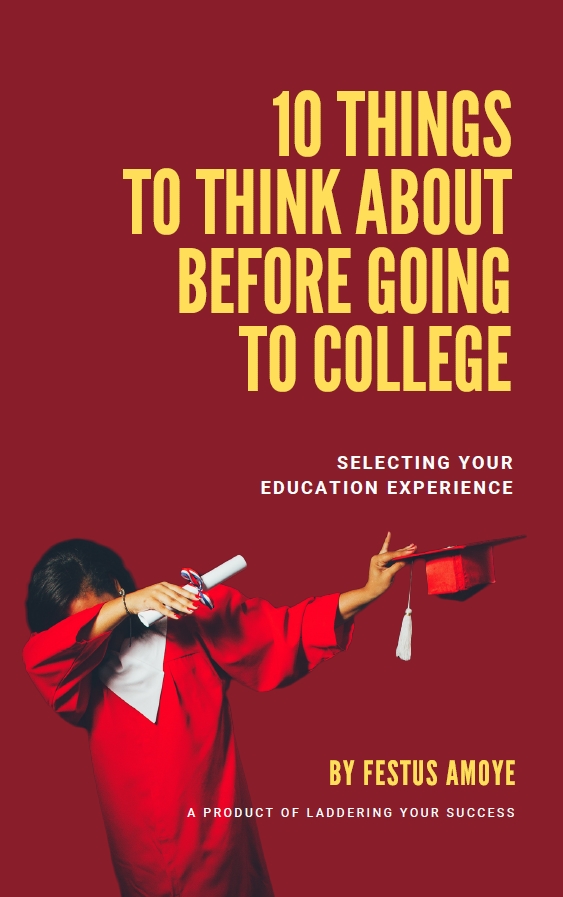
Transitioning from high school to college can feel overwhelming, but with the right strategies, students can enhance their college readiness and personal growth. Here, we explore seven practical tips to help students prepare for this important step in their lives.

1. Fostering a Growth Mindset
A growth mindset encourages students to embrace challenges and learn from failures. This attitude is crucial for success in a college environment where independence and self-motivation are key.
Moreover, understanding that effort leads to improvement and that intelligence can be developed through dedication fosters resilience. Students can face setbacks with a positive mindset, viewing them as opportunities for growth. This perspective not only contributes to personal development but also enhances their academic performance.
To cultivate a growth mindset, students should seek feedback and remain open to criticism. Engaging in reflective practices, such as journaling about their learning experiences, can also help solidify this mindset. When students recognize their capabilities, they are more likely to take risks and embark on new academic ventures.
2. Developing Effective Study Habits
Establishing solid study routines will not only help in high school but will also prepare students for the rigorous coursework they will encounter in college. Time management and organization are essential skills to cultivate.
Creating a study schedule that prioritizes daily tasks ensures that students cover material consistently rather than cramming before exams. This approach minimizes stress and reinforces long-term retention of information. Utilizing a variety of study resources, such as online platforms, textbooks, and study groups further enriches the learning experience.
Another effective strategy includes setting specific, achievable goals for each study session. For instance, aiming to master a particular concept or complete a certain number of practice problems can provide structure and enhance focus. Taking regular breaks during study blocks also keeps the mind sharp and prevents burnout.
3. Enhancing Communication Skills
Strong communication skills are necessary for success in both academic and social situations. Encouraging open dialogue through discussions and presentations can help students express themselves more clearly.
Participating in activities such as debate clubs or public speaking courses can significantly hone these skills. Not only do these experiences provide valuable practice, but they also boost confidence. Understanding the nuances of both verbal and non-verbal communication prepares students for the collaborative nature of college life.
Additionally, actively listening to others fosters better understanding and engagement. Students should not shy away from asking questions or clarifying concepts, as this not only aids their learning but also enhances interactions with peers and professors. Ultimately, strong communication is the bridge to building meaningful relationships and networking opportunities in college.
4. Exploring Career Interests
Understanding one’s passions and career goals can help students select the right college and major, making their college experience more focused and aligned with their personal growth.
Engaging with mentors, attending career fairs, and participating in internships provide invaluable insights into various professions. By exploring different fields, students can discover what truly excites them and what skills they want to develop further. It’s a great step towards tailoring their education to suit both their interests and the job market.
By combining self-reflection with research, students can create a personalized educational journey. They can also look into dual enrollment programs or summer courses that align with their selected career paths, making their transition into college even smoother. Being proactive about career exploration is not just practical—it’s empowering.
5. Building a Support Network
Having a solid support system made up of friends, family, educators, and mentors can greatly enhance a student’s confidence and resilience during the transition to college.
This network serves as a safety net, providing emotional support and practical guidance. Students often find comfort in sharing their experiences and challenges with those who understand their journey. Moreover, seeking advice from mentors who have navigated similar paths can offer invaluable insights.
Participating in orientation programs and student organizations can help students expand their network in college. Connecting with peers who share similar interests promotes lasting friendships and collaboration. Ultimately, a thriving support network plays a crucial role in ensuring a successful college transition.
6. Engaging in Extracurricular Activities
Participation in clubs, sports, or volunteer work not only enriches the high school experience but also helps develop critical skills such as teamwork, leadership, and time management.
Finding activities that align with personal interests can ignite passion and commitment, while also providing a break from academic stress. Whether it’s joining a writing club for aspiring authors or engaging in community service projects, these activities allow students to connect with like-minded peers and build a sense of belonging.
Involvement in extracurriculars also enhances college applications, showcasing students’ well-roundedness and dedication. Furthermore, these experiences can clarify career interests and help students develop marketable skills that will serve them well after graduation.
7. Understanding Financial Responsibilities
Being financially literate, including understanding budgeting and student loans, will prepare students for the financial aspects of college life, easing some of the pressures they may face.
Taking the time to learn about financial aid options, scholarships, and grants can make college more accessible and less daunting. Workshops and resources provided by schools can aid in deciphering complex financial jargon and equip students with the tools they need.
Moreover, creating a personal budget helps students manage their expenses effectively. Balancing spending on essentials versus entertainment teaches responsibility and planning, key components of adult life. Knowledge of these financial responsibilities not only prepares students for college but also sets them up for a successful future beyond their education.