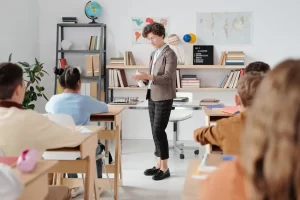

Collaborating between parents and teachers can create a positive and enriching environment for children. In this blog post, we will explore the different facets of this crucial partnership, why it’s essential for student success, and how it can be fostered effectively.

Understanding the Role of Parents and Teachers
Parents and teachers have critical roles to play in the life of a child. The concept of these roles clarifies why cooperation supports learning.
Parents bring a strong sense of their child’s needs and challenges, while teachers provide a professional awareness of how to teach and the curriculum. When both perspectives are merged, an overarching understanding of the needs of the child is formed. This partnership allows parents to support their child’s learning at home and encourages teachers to adjust their approach to better meet individual students’ needs.
Also, recognizing that both groups are striving for the same goal—student success—helps to further validate the worth of cooperation. Parents and teachers openly communicating and sharing their knowledge offer a support system that not only benefits the child but also the entire educational setting.
Finally, it should be noted that this alliance is not just a responsibility; it’s an opportunity to build a supportive environment. Through active engagement in each other’s lives, teachers and parents can establish trust, respect for each other, and dedication to the development of the child.
Benefits of Parent-Teacher Collaboration
Collaboration leads to improved academic performances, better behavior, and increased emotional support for children, creating a holistic approach to education.
When parents and teachers collaborate, it can lead to a remarkable transformation in a child’s learning experience. For instance, students whose parents are actively involved in their education often perform better academically. They tend to show higher engagement levels and a positive attitude towards school, which can significantly impact their overall achievement.
Furthermore, emotional support plays a pivotal role in a child’s development. A strong partnership between parents and teachers means that children feel supported both at home and in school, contributing to a healthy emotional baseline. Knowing that both parties are on the same page reduces anxiety and allows children to thrive both socially and academically. This interconnectedness ensures that any behavioral issues can be addressed swiftly, with both parents and teachers working together to support better outcomes.
Additionally, the ripple effects of collaboration extend beyond the individual child. When parents and teachers work together, it creates a sense of community. This environment encourages collaboration among all families and teachers within a school, fostering a supportive network that benefits every student.
Strategies for Effective Collaboration
Effective collaboration can be achieved through regular communication, participating in school events, and establishing shared goals for students’ success.
One of the simplest yet most effective strategies is consistent communication. This can be as straightforward as scheduling regular check-ins or setting up a communication app that allows both parents and teachers to share updates, concerns, and resources easily. Such transparency fosters an open dialogue that is crucial for knowing how students are progressing.
Moreover, participating in school events is another significant strategy. Whether it’s attending parent-teacher conferences, volunteering for school activities, or joining parent associations, these involvement opportunities provide a chance for parents and teachers to build relationships. Not only does this communication enhance collaboration, but it also cultivates a sense of belonging within the school community.
Establishing shared goals is equally important. Parents and teachers should collaborate to define clear objectives for a child’s education. This could involve setting academic targets or discussing behavioral expectations—whatever the focus, aligning on these goals helps both parties work towards a unified vision for the child’s success.
Overcoming Challenges in Collaboration
Parent-teacher collaboration is not without its challenges. Understanding these obstacles and finding solutions can help foster a stronger partnership.
Common hurdles include communication barriers, differing priorities, and time constraints. It’s crucial to address these issues head-on. For instance, schools can offer workshops on effective communication strategies, enabling parents and teachers to engage positively. Additionally, recognizing that each party may have different perspectives on a child’s education can help bridge gaps in understanding. An open mind and a willingness to listen can go a long way in fostering mutual respect.
Moreover, time constraints can be a real barrier to collaboration. Busy schedules often mean that parents and teachers have little time to connect. Schools can mitigate this by offering flexible meeting times or creating online platforms for parents to provide feedback or schedules easily. In doing so, they make it easier for parents to remain involved without adding to their already overwhelming commitments.
In tackling these challenges, it’s essential to remember that building a collaborative relationship is a gradual process. With patience, understanding, and the right strategies in place, parents and teachers can overcome obstacles and work together more effectively.
Success Stories: Examples of Effective Collaboration
Highlighting instances where collaboration made a significant difference can inspire others to invest in this crucial partnership.
Take the example of a school that implemented a family engagement program. Through workshops and forums, they encouraged parents to participate directly in their child’s learning process. This initiative not only saw an increase in parent attendance but also resulted in noticeably improved student performance. As parents became actively engaged, students showed greater motivation, and test scores began to rise.
Another inspiring story comes from a local elementary school that hosted monthly ‘collaboration nights.’ During these events, teachers would share classroom activities with parents and explain the rationale behind various teaching methods. Parents left these sessions feeling more equipped to assist with homework and overall learning, resulting in a positive feedback loop that ultimately enhanced student outcomes.
These success stories showcase that effective collaboration can lead to remarkable positive changes. By sharing these examples, we can motivate others to see the value of strengthening the partnership between parents and teachers. It’s a continuous journey, and every small step contributes to creating a brighter future for our children.
The Importance of Working Together
In conclusion, parent-teacher collaboration is not just beneficial—it’s essential. By working together, both parties can create a supportive and effective learning community that nurtures children’s growth and development. Let’s continue to prioritize this partnership for the best outcomes for our students.