
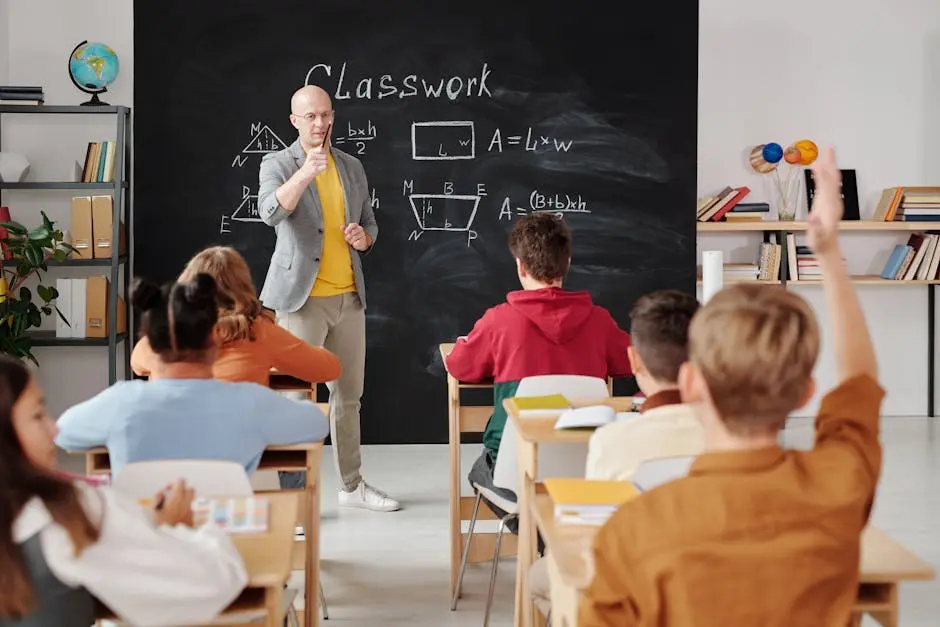
In today’s rapidly evolving educational landscape, ensuring every student has the tools they need to succeed is more important than ever. Innovative instructional support can make a world of difference in bridging the gaps that exist in traditional educational methods. In this blog, we’ll explore various strategies and approaches that can enhance learning experiences and foster academic achievement for all students.

Understanding the Concept of Instructional Support
Instructional support encompasses a variety of strategies and resources aimed at improving teaching effectiveness and enhancing student learning. It includes everything from tutoring programs to educational technology that facilitates personalized learning experiences.
To truly grasp the essence of instructional support, it’s crucial to appreciate its role in addressing diverse student needs. Our classrooms are melting pots of backgrounds, experiences, and learning preferences. By implementing tailored support mechanisms, we create an environment where all students can thrive, regardless of their starting point. For instance, small group instruction can significantly boost confidence among struggling learners, giving them the space to ask questions and explore topics at their own pace.
Ultimately, effective instructional support serves as a bridge over which students can walk towards their educational goals. It empowers them by providing necessary resources while simultaneously equipping teachers with the tools they need to deliver content effectively.
The Role of Technology in Instructional Support
With the rise of digital tools and platforms, technology plays a pivotal role in instructional support. It allows for differentiated instruction tailored to meet the diverse needs of learners, making education more accessible and engaging.
Consider how online resources can lighten the load for both students and teachers. For instance, interactive simulations and video tutorials can present complex subjects in a visually engaging manner, allowing learners to grasp difficult concepts at their own pace. This is particularly beneficial for visual learners who may struggle with traditional lectures. Additionally, platforms that facilitate online collaboration enable students to work together from different locations, enhancing peer-to-peer learning opportunities.
Moreover, utilizing data analytics through technology permits educators to monitor student progress more effectively. By accessing detailed insights, educators can intervene early when students show signs of struggle, redirecting their support strategies for optimal success. This integration of technology not only improves learning outcomes but also fosters a culture of continuous improvement in teaching practices.
Collaborative Learning Environments
Creating collaborative learning environments encourages students to work together, fostering peer-to-peer support and building essential social skills. Innovative instructional support can facilitate these environments through group projects, discussions, and interactive activities.
In such settings, students become active participants in their learning rather than passive recipients. By engaging in discussions and group tasks, they learn from each other’s perspectives, which enriches their understanding of the subject matter. This collaborative spirit not only promotes academic growth but also enhances critical thinking and communication skills—a vital combination in today’s world.
Furthermore, fostering a sense of community in the classroom instills a sense of belonging among students. When they feel supported by their peers, they are more willing to take risks, voice their opinions, and make mistakes in a safe environment. This emotional safety ultimately leads to a deeper engagement with the material and improved retention rates.
The Importance of Professional Development for Educators
Teachers are at the forefront of instructional support, and their continuous professional development is crucial. Training programs that focus on innovative teaching strategies empower educators to adapt their methods and better support their students.
Professional development is not a one-size-fits-all experience; it must be tailored to meet the specific needs of educators and their students. Workshops focused on the latest instructional technologies, for example, equip teachers with the skills needed to integrate digital resources into their classrooms effectively. This continual knowledge acquisition ensures that teachers remain current with educational trends, enhancing their ability to engage students meaningfully.
Moreover, collaborative professional development opportunities—such as peer observations and team-based learning sessions—encourage educators to learn from one another. Such experiences can spark innovative ideas and lead to the adoption of best practices, ultimately benefiting the students. When teachers feel supported and inspired, they are more likely to cultivate a stimulating learning environment that resonates with students.
Measuring Success: Assessing the Impact of Instructional Support
Assessing the effectiveness of instructional support is essential in understanding its impact on student learning. By using data-driven approaches and feedback mechanisms, educators can continually refine their strategies to ensure optimal outcomes for students.
This process starts with defining clear learning objectives. By aligning instructional support initiatives with these goals, educators can better track student progress. Regular assessments—not just at the end of a unit, but throughout the learning process—allow for timely adjustments to be made, ensuring that all students remain on track. Constructive feedback from students also plays a critical role in this assessment cycle. Their voices can provide valuable insights into what’s working and what needs adjustment.
Ultimately, the goal of measuring success is to create a feedback loop that informs future instructional support efforts. When educators have access to robust data, they are empowered to make informed choices that directly enhance student learning experiences. This continuous cycle of assessment, reflection, and adaptation is the cornerstone of effective educational strategies.
The Future of Instructional Support
Embracing innovative instructional support not only helps in bridging educational gaps but also nurtures a generation of learners equipped to thrive in an ever-changing world. By prioritizing creativity, adaptability, and collaboration in our teaching methods, we can create a more inclusive and effective educational system. Let’s champion these approaches and make a lasting impact on the lives of students everywhere.