
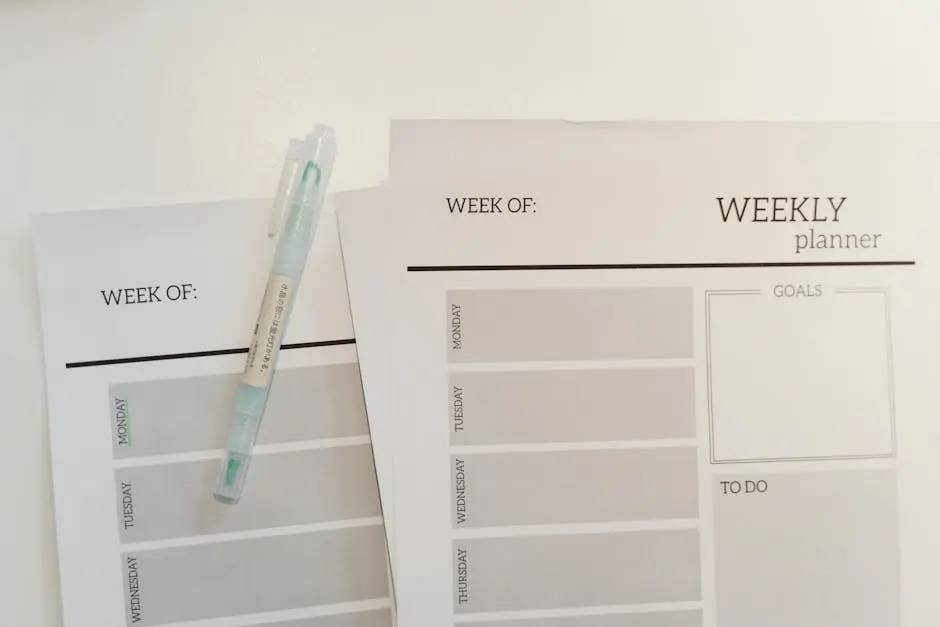
Transitioning from school to career can be a daunting journey. An effective study planner can make all the difference, helping students stay organized, focused, and prepared for their future endeavors. In this blog, we’ll explore how study planners can streamline your studies and bridge the gap to career readiness.

Understanding the Role of Study Planners
Study planners are essential tools that help students manage their time effectively. They assist in organizing tasks, assignments, and exams, enabling students to create a structured routine. This section will discuss the significance of having a study planner and how it aids academic success.
Imagine knowing exactly what you need to study each day, a reassuring feeling that reduces anxiety. By using a study planner, students can visualize their tasks, which not only promotes accountability but also helps in prioritizing work based on deadlines and importance.
Furthermore, a well-structured planner can help reduce procrastination. When students see their tasks laid out clearly, they are less likely to feel overwhelmed and more likely to begin working immediately, creating momentum that leads to effective study habits.
Key Features of an Effective Study Planner
All study planners are not alike. The purpose of this part is to discuss what makes a good study planner, including its ability to help set goals, its flexible nature, and its user-friendliness.
An effective study planner will have a space for short-term as well as long-term goals. This is because when you set long-term goals, you need to divide them into small tasks, which gives you the feeling of accomplishment after completing each task.
Another aspect of a good study planner is that it must allow you flexibility. No matter how hard you try, life is unpredictable, and a good planner should allow you room to maneuver.
Creating a Personalized Study Plan
Every student has unique learning styles and schedules. Here, we’ll explore how to create a personalized study plan that aligns with individual goals and commitments, making the experience not only efficient but also enjoyable.
To start, students should assess their personal learning preferences. For instance, some may find they retain information better by listening to lectures, while others might prefer visual aids. Incorporating these preferences into the study plan can enhance overall effectiveness.
Moreover, creating a comfortable study environment tailored to individual needs can significantly boost productivity. Whether it’s a quiet corner of a library or a cozy spot at home, students should pinpoint where they feel most focused and inspired to study.
Integrating Time Management Techniques
Effective study planners incorporate various time management techniques. This section will examine methods like the Pomodoro Technique and time-blocking, showing how these strategies can enhance focus and productivity.
The Pomodoro Technique, for instance, advocates for studying in short, intense bursts followed by short breaks. This rhythm can help prevent burnout and keep the mind fresh, making studying feel less tedious and more like a game.
In addition, time-blocking is a powerful strategy that can turn chaotic schedules into manageable timelines. By allocating specific time slots for different subjects or tasks, students can arrange their day purposefully, allowing for deep focus on one thing at a time.
The Transition from Planning to Action
A study planner is only as good as its execution. We’ll discuss tips for transforming your study plans into actionable steps and maintaining motivation throughout your academic journey.
One of the most effective ways to ensure that a plan translates into action is to set regular checkpoints. These checkpoints can serve as mini-goals, allowing students to celebrate small victories along the way, which builds momentum.
Additionally, it’s important to remain adaptable. Students should be ready to reassess their plans and methods regularly, fine-tuning them as needed in response to their progress or changing needs. Flexibility is vital to foster resilience during challenging times.
Real-World Applications of Study Planners
In this section, we’ll explore how effective study planners not only assist in academic settings but also have practical applications in professional life. This connection emphasizes the planner’s role in bridging the gap from school to career.
Understanding how to organize tasks and meet deadlines is invaluable in any career. The skills gained from using a study planner translate directly into the workplace, where efficiency and time management can make or break projects.
Moreover, the habit of setting and pursuing goals fosters a mindset of continuous improvement. This perspective is crucial in the professional realm, where adaptability and a willingness to learn are key to long-term success. As students shift from academic settings to career paths, these skills become foundational.
Wrapping Up: The Importance of Study Planners
In summary, effective study planners play a vital role in helping students navigate their educational paths while preparing for future careers. By utilizing a structured approach to studying, students can enhance their productivity and confidence as they transition from classroom to workplace.