
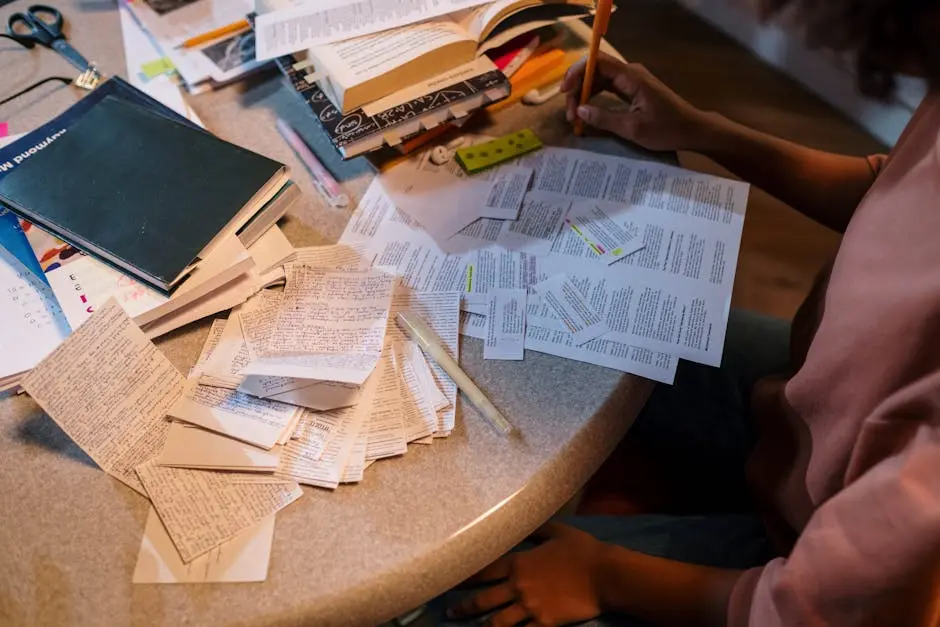
In today’s fast-paced academic world, staying organized is more important than ever. Study planners offer a fantastic solution for both students and educators, helping to streamline tasks, manage time effectively, and boost productivity. Here, we’ll explore ten compelling benefits of utilizing study planners, allowing you to focus on what really matters: learning and growth.

1. Enhanced Time Management Skills
Study planners help individuals allocate their time wisely, ensuring that each task is given the attention it deserves. With clear time blocks for different subjects or assignments, students can find themselves juggling multiple responsibilities with poise and ease. This not only assists with adhering to deadlines but also fosters a sense of discipline. Imagine a student sitting down with their planner at the start of the week, mapping out their schedule. By doing so, they create a realistic approach to their workload, making overwhelming tasks feel more achievable.
Moreover, educators can also leverage study planners to model time management skills for their students. By encouraging students to track their assignments and set realistic deadlines, teachers actively engage in their pupils’ learning process. This can instill valuable lessons on prioritization and responsibility. After all, strong time management skills garnered through the use of planners can benefit students beyond the classroom and into their future professional lives.
2. Increased Accountability
With a visual representation of tasks, students and educators can hold themselves accountable for their commitments. The simple act of writing down deadlines and responsibilities enhances ownership over one’s academic journey. When students see their tasks laid out in front of them, there is a psychological shift that promotes self-discipline. They realize that procrastination will only lead to unpreparedness.
For educators, study planners are not just about personal organization; they can also facilitate classroom accountability. Teachers can assign group projects that require coordination and mutual responsibilities documented in a shared planner. This collaboration nurtures teamwork and teaches students to rely on each other while keeping track of collective obligations—ultimately reinforcing a sense of shared responsibility.
3. Improved Focus on Goals
Creating specific goals using the study planner is an essential step towards reaching one’s educational as well as personal goals. With the help of the planner, a person is encouraged to plan ahead by imagining their future goals and making them realistic and attainable. This can prove particularly motivating because it turns someone’s dreams into achievable realities.
In setting goals, one may choose to set their short as well as long-term goals and deadlines at the same time. This way, they will gain motivation from completing short-term goals, which makes them move further to achieve more ambitious goals. In addition, it may encourage some self-reflection that helps change initial goals, if necessary.
4. Facilitating Better Planning of Assignments
Study planners assist in breaking down larger projects into manageable tasks, making assignments less daunting. By segmenting projects into smaller parts, students can approach their work with clarity, methodically tackling bits one at a time instead of feeling overwhelmed by the entirety of the task. This method not only aids in comprehension but can also prevent procrastination—students are less likely to put off assignments when they can see a clear path to completion.
Educators benefit as well; they can establish timelines for group assignments or project deadlines that clearly outline expectations. In doing so, students gain insights on planning and organization, crucial skills in both academic and professional contexts. This kind of structured approach paves the way for improved performance and reduces last-minute chaos.
5. Promotion of Healthy Study Habits
With designated time slots for studying, users can establish routines that promote consistent learning. A study planner not only outlines specific study times but also encourages regular breaks, fostering a balanced approach to education. Students who practice healthy habits tend to have better retention of information and experience less burnout, leading to a more enjoyable learning process.
Cultivating good habits early on instills lifelong skills; when students learn to prioritize their education efficiently, they foster an intrinsic motivation to learn. Educators, by guiding their students on how to utilize planners effectively, play a vital role in shaping these healthy habits. In the long run, this cultivates an atmosphere of learning that is both sustainable and fulfilling.
6. Visualizing Progress
A planner provides a clear view of completed tasks, boosting motivation and encouraging further productivity. Seeing a long list of completed assignments acts as a reminder of what has been achieved, which is essential for maintaining morale. This visualization of progress helps students realize that they are capable of accomplishing their goals, reinforcing positive behaviors.
Additionally, educators can utilize progress visuals to motivate students. Recognizing achievements, whether big or small, encourages a sense of belonging and pride in the classroom. Students become more engaged when they feel their efforts are acknowledged, enhancing their overall educational experience.
7. Customization for Individual Needs
Study planners come in various formats, allowing students and educators to choose what best fits their personal style. Whether one prefers a digital planner or a traditional paper version, the flexibility to customize offers an appealing aspect. This individualization ensures that the planner aligns with unique learning preferences, maximizing effectiveness.
Furthermore, this adaptability encourages creativity; students can incorporate colors, stickers, or drawings into their planners, making the planning process enjoyable. By infusing their personalities into these tools, students are more likely to engage with them regularly and use them productively.
8. Reduction of Stress
By organizing tasks visually, study planners can help alleviate the anxiety associated with overlapping deadlines. They create a clear path for what needs to be accomplished, allowing students to approach deadlines with confidence rather than dread. As tasks are checked off, the feeling of release serves as a powerful stress-reliever, affirming the effectiveness of the planner.
Educational settings can be a breeding ground for stress, but planners provide a buffer against that. By fostering a smooth flow of tasks, they can enhance overall well-being. This is particularly important for students preparing for exams or completing extensive research projects, where stress levels can peak.
9. Encouragement of Reflection
Setting aside time to reflect on progress in a planner helps enhance self-awareness and adapt strategies accordingly. Reflection can be done weekly, allowing students to assess what strategies worked and which didn’t, leading to an ongoing cycle of improvement. This practice not only enriches learning but positions students for success in any field.
Incorporating reflection in a planner enhances critical thinking abilities. By analyzing their own progress, students learn to identify strengths and weaknesses. Educators can guide this process, helping students become self-directed learners who understand the value of adapting their techniques based on reflection. Such skills are invaluable as students advance in their academic careers and beyond.
10. Strengthening Collaborative Learning
Educators can use planners to coordinate group projects, fostering collaboration and communication among students. When teams work together using a shared planner, they learn to hold each other accountable, enhance interpersonal skills, and engage in discussions that deepen their understanding of the project goals.
This collaborative approach also allows for pooling of diverse ideas, leading to richer outcomes. As students collectively engage with their planners, they develop a sense of community and support, which can be especially beneficial during challenging assignments. Ultimately, such synergy results in higher quality work and a more enjoyable learning experience.