
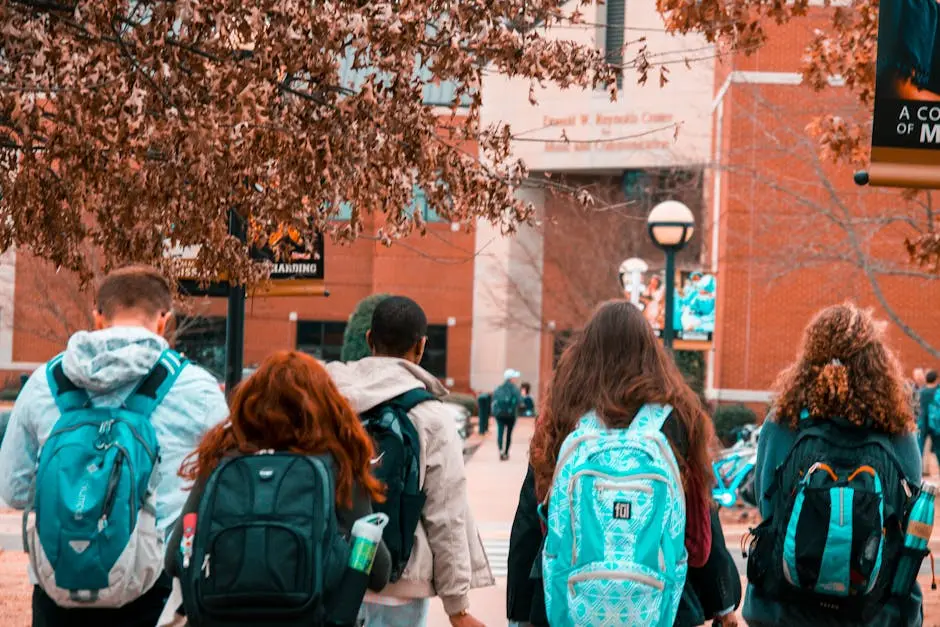
Transitioning from high school to college can be both exciting and daunting. With new responsibilities, expectations, and a different social environment, students can feel overwhelmed. However, with the right actionable strategies, this transition can be smoother and more enjoyable. In this blog post, we will explore practical tips that can help ease this important life change and set students up for success in their higher education journey.

Understanding the Differences Between High School and College
The transition from high school to college is more than a mere change of location. Knowing what the difference in structure and expectations are can enable students to prepare themselves mentally and emotionally for this new setting.
At high school, students have a fixed schedule with little independence. The classes are generally small, the teachers are available for direction, and the parents’ assistance is easily accessible. College, however, provides students the independence to create their own schedules. This new freedom can be exhilarating, but it needs students to be self-driven with their learning process. Being proactive in asking for assistance and making crucial decisions is a crucial aspect of college life.
Additionally, personal responsibility increases in degree. Teachers in high school tend to remind and facilitate, guiding students down the path of success. Professors in college, however, assume that students must be independently motivated and directed. This entails deadlines, class attendance, and learning with little supervision. Acknowledging this transition can enable students to take on a mature mindset, realizing they are now the major designers of their own academic paths.
Aside from academic adjustments, social life also changes in college. Friendship in high school would not always be perfectly instituted in the college environment, and students will find themselves in broader groups of diverse peers. Establishing bonds in this new environment can prove daunting, but necessary for growth and assistance. Interacting with a wide variety of people can impart wide-ranging views and collaboration that will enhance their social as well as academic lives.
Developing Time Management Skills
In college, students often have more free time, but with that freedom comes the responsibility to manage it effectively. Learning to prioritize tasks and create a schedule can help students balance academics and social activities.
Time management starts with awareness. Students should consider their peak productivity hours – those times when they feel most focused and energized. By structuring study sessions around these moments, students can maximize their efficiency and productivity. Using tools like planners or digital calendars can facilitate organization, ensuring essential dates and deadlines are always top of mind.
The Pomodoro Technique can also be a game-changer. This method encourages students to work in focused bursts, typically 25 minutes, followed by a short break. Alternating between productive efforts and rest can enhance concentration while preventing burnout. Crafting a routine that combines intense study periods with well-deserved downtime can ensure that productivity and self-care go hand in hand.
Additionally, it’s essential to remain flexible. Life is unpredictable, and sometimes plans will need adjustment. By staying adaptable, students can navigate unexpected challenges with minimal stress. Embracing this ebb and flow can transform potential setbacks into opportunities for growth, laying the groundwork for future success both in college and beyond.
Establishing a Support Network
Building relationships with peers, faculty, and advisors can provide essential support during this transition. Finding mentors and friends can make adapting to college life more manageable.
One effective way to start forming connections is by joining clubs or organizations that align with personal interests and academic pursuits. Getting involved can create a sense of belonging and open doors to friendships that are pivotal during challenging times. Moreover, engaging with diverse groups introduces students to new ideas and experiences, enriching their overall college experience.
Don’t underestimate the power of faculty relationships. Professors bring a wealth of knowledge and experience, often offering guidance that can significantly shape a student’s academic journey. Attending office hours, participating in discussions, and showing genuine interest in their work can create opportunities for mentorship and support. These connections can lead to invaluable resources, recommendations, and, importantly, a sense of community.
On campus, many institutions offer counseling services and support groups that can be beneficial for students who feel overwhelmed. Reaching out for help is a sign of strength, not a sign of weakness. Developing a comprehensive support network that includes professional resources, friends, and mentors contributes to a more positive and enriched college experience.
Exploring Campus Resources
Colleges offer a range of resources, including academic advising and mental health services. Knowing what’s available and utilizing these resources can significantly ease the transition.
Students should take the time to explore their campus, identifying key resources like libraries, tutoring centers, and health services. Many colleges also have career services that offer workshops and networking opportunities to help students prepare for life after graduation. Utilizing these resources can provide a significant advantage, both academically and in establishing a strong career foundation.
Another resource often overlooked is financial aid support. Understanding financial obligations and available assistance can alleviate significant stress. Students should consult with financial advisors to clarify any doubts they may have about scholarships, grants, and loans, and make informed decisions about their finances.
The campus community typically offers a range of workshops tailored to various needs, from stress management to leadership development. Participating in such programs can not only enhance personal development but also create a sense of involvement within the campus culture, reinforcing the idea that students are not alone in navigating this transition.
Cultivating a Positive Mindset
Mental resilience is key during the transition. Practicing self-care, maintaining a positive outlook, and developing coping strategies can help students navigate challenges more effectively.
One effective way to cultivate a positive mindset is through mindfulness practices, such as meditation or journaling. These reflective activities encourage students to tune into their thoughts and emotions, promoting an overall sense of well-being. Even setting aside just a few minutes each day for mindfulness can have a profound impact on one’s outlook and adaptability during tough times.
It’s also important to celebrate small victories along the way. Acknowledging accomplishments, whether big or small, reinforces a sense of achievement and encourages students to keep pushing forward. This practice can be as simple as reflecting on a successful week of classes or even finishing a challenging assignment.
In moments of setback, it’s vital to reframe challenges as opportunities for growth. Developing coping strategies to deal with stress, such as reaching out to support systems or engaging in physical activity, empowers students to navigate obstacles with confidence. This shift in perspective is crucial for developing the resilience necessary for success in college and beyond.
Setting Personal Goals for Success
Establishing clear, achievable goals can provide direction and motivation. Whether academic, social, or personal, goals help focus efforts and track progress during this pivotal time.
Goals should be specific, measurable, attainable, relevant, and time-bound (SMART). For instance, rather than aiming to ‘do better in classes,’ students could set a goal to ‘achieve a 3.5 GPA by the end of the semester.’ This clarity can significantly enhance commitment and drive.
Furthermore, breaking larger goals into smaller, manageable tasks can make daunting objectives feel more achievable. It allows for tangible progress markers, making the journey less overwhelming. Celebrating these milestones reinforces motivation and provides a sense of accomplishment that fuels persistence.
Visualizing goals can also be a powerful technique. Creating vision boards or keeping a dedicated planner can serve as daily reminders of what students aspire to achieve. This practice not only keeps objectives front and center but also fosters a proactive mindset as students visualize their success and work towards it.
Embrace the Journey Ahead
By implementing these actionable strategies, students can navigate the transition from high school to college with greater confidence and ease. Remember, it’s about embracing the journey and finding your own rhythm in this new chapter. With a bit of preparation and the right mindset, college can be a fulfilling and enriching experience.
To support you even further, Laddering Your Success (LYS) offers a practical, easy-to-follow **resources **to help you stay on track and put your best foot forward. Whether you’re just getting started or refining your application strategy, this resource can guide you every step of the way.