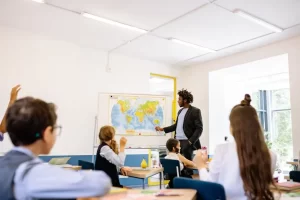

Lesson planning is a crucial element in education, shaping how students engage with materials and fostering their skills for the future. In this blog, we will explore the various ways effective lesson planning contributes to college and career readiness.

Understanding the Role of Lesson Planning
Lesson planning serves as a roadmap for educators, outlining objectives and strategies to achieve desired learning outcomes.
At its core, lesson planning provides structure. This critical framework helps teachers define clear goals for students, ensuring that each class session builds on the last, creating a cohesive learning experience. Teachers aren’t just filling time; they’re building futures.
Moreover, an effective lesson plan allows educators to anticipate challenges that might arise, equipping them to adapt as necessary. This flexibility is vital as it directly impacts student engagement and understanding.
Aligning Curriculum with College and Career Standards
Effective lesson planning ensures that the curriculum aligns with key college and career readiness standards, making learning relevant and applicable.
Consider this: when lesson plans are crafted with these standards in mind, we guide students toward the skills and knowledge they’ll encounter in college and the workplace. This alignment not only adds depth to learning but also motivates students who see the real-world application of their studies.
By integrating essential skills like communication and teamwork into their plans, teachers create a bridge between classroom lessons and the expectations students will face in their future careers. It’s about fostering an understanding that goes beyond exams.
Incorporating Critical Skills into Lessons
Incorporating skills such as critical thinking, problem-solving, and collaboration in lesson plans fosters an environment where students can thrive in both academic and workplace settings.
Why are these skills so critical? In a rapidly changing job market, employers increasingly prioritize adaptability and innovative thinking. Lesson plans designed to include these competencies prepare students not just for tests, but for real life.
For example, group projects can be designed to teach collaboration, while case studies allow students to practice problem-solving. The beauty of a well-structured lesson is that learning becomes dynamic, enabling students to engage directly in their education.
Assessing Student Progress and Feedback
Regular assessments within lesson plans help track student progress and provide valuable feedback, guiding students towards readiness in their future endeavors.
Assessment isn’t just about grades; it’s also a crucial feedback loop for both educators and students. When teachers regularly evaluate student understanding, they’re not simply marking answers but gathering insights into what works and what doesn’t.
Effective lesson plans incorporate various forms of assessment—from quizzes to group discussions—that enable students to demonstrate their learning in multiple ways. This variety helps ensure that all learners can showcase their strengths.
Creating Engaging and Relevant Learning Experiences
Well-planned lessons that engage students and relate to real-world applications promote deeper learning and interest in continuing education or career paths.
Engagement is the spark that ignites a love for learning. When lessons are relevant and interactive, students are more likely to invest effort into their education. Imagine teaching a math lesson through budgeting a college trip; it not only teaches math skills but also engages students in practical finance.
This connection to real life makes students more invested in their work. When they see the link between classroom activities and their own futures, they become active participants in their journey.
Collaboration with Stakeholders
Involving parents, educators, and community members in the lesson planning process creates a supportive network for students, reinforcing their readiness for future challenges.
Collaboration extends the classroom’s boundaries. When teachers invite input from parents and the community, they create a richer context for learning. This not only empowers students but also fosters a sense of belonging and responsibility.
Furthermore, community partnerships can provide unique resources and experiences that enhance lesson plans. Whether it’s through guest speakers or field trips, these collaborative efforts expose students to the wider world and its opportunities.
Final Thoughts on the Impact of Lesson Planning
In summary, lesson planning not only organizes teaching but also equips students with the essential skills they need for their future. By incorporating diverse strategies and assessments, educators can create a more effective learning environment that promotes readiness for higher education and the workforce.